
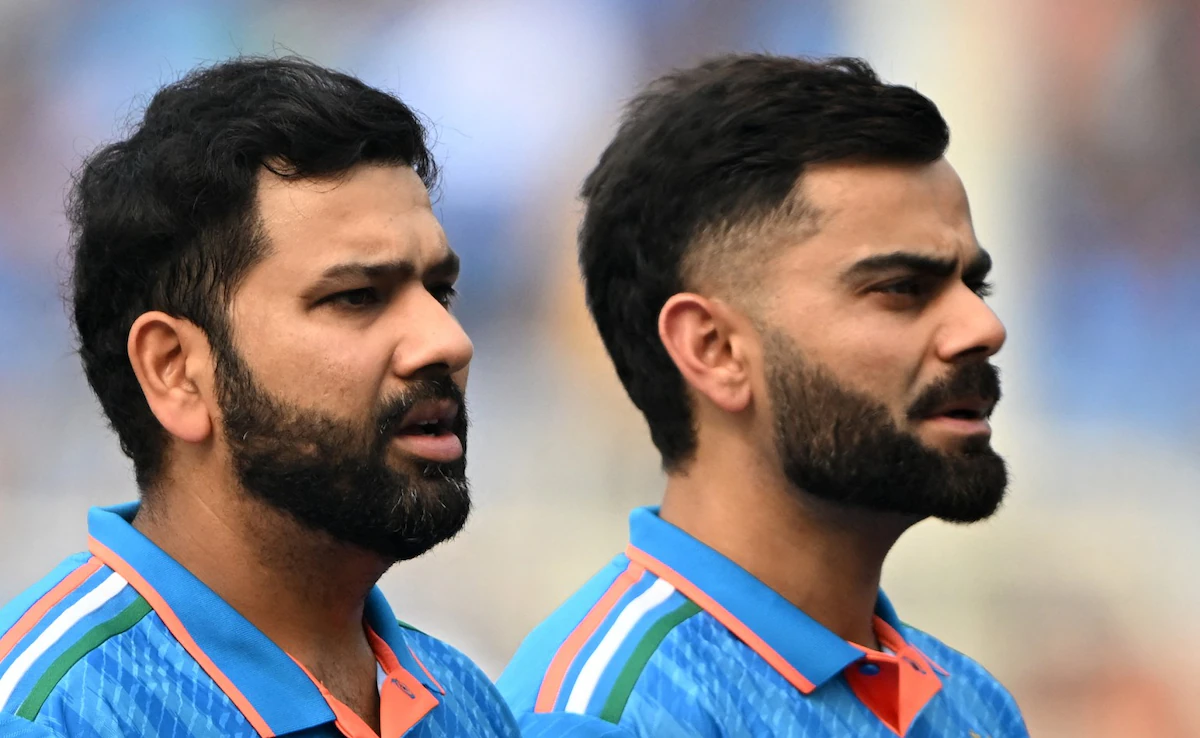
The decision to replace Rohit Sharma as India’s ODI captain with Shubman Gill has sparked intense debate—behind the scenes, the shift was far from abrupt. The transition reflects careful planning, internal introspection, and mood shifts at the top of Indian cricket. Concurrently, the future of Virat Kohli—long a pillar of India’s white-ball setup—is now equally in focus.
The Transition: Timing, Justification, and Friction
Rohit’s captaincy had several strengths. He had led India to the Champions Trophy 2025 title in his final match as skipper and remained in good form by white-ball metrics. Yet, several internal concerns weighed against retaining him:
- With Rohit restricted to only the ODI format, his total match exposure had reduced significantly. His last high-stake appearance had been the Champions Trophy final, and he had little international cricket in the interim.
- Selectors and planners felt that the two-year gap to the 2027 World Cup was long enough to begin a transition in leadership now. Delaying the change, they feared, might complicate squad stability, accountability, and continuity.
- Both Rohit and Virat were being assessed for their ODI futures. Given their age, fitness demands, and form trajectories, the management faced a strategic choice: commit early to a younger captain or risk stagnation.
- The decision was not without division. As the Australia tour loomed, consensus slowly consolidated among the hierarchy, with many feeling the time had come to “place early bets”—even if those bets involved risk.
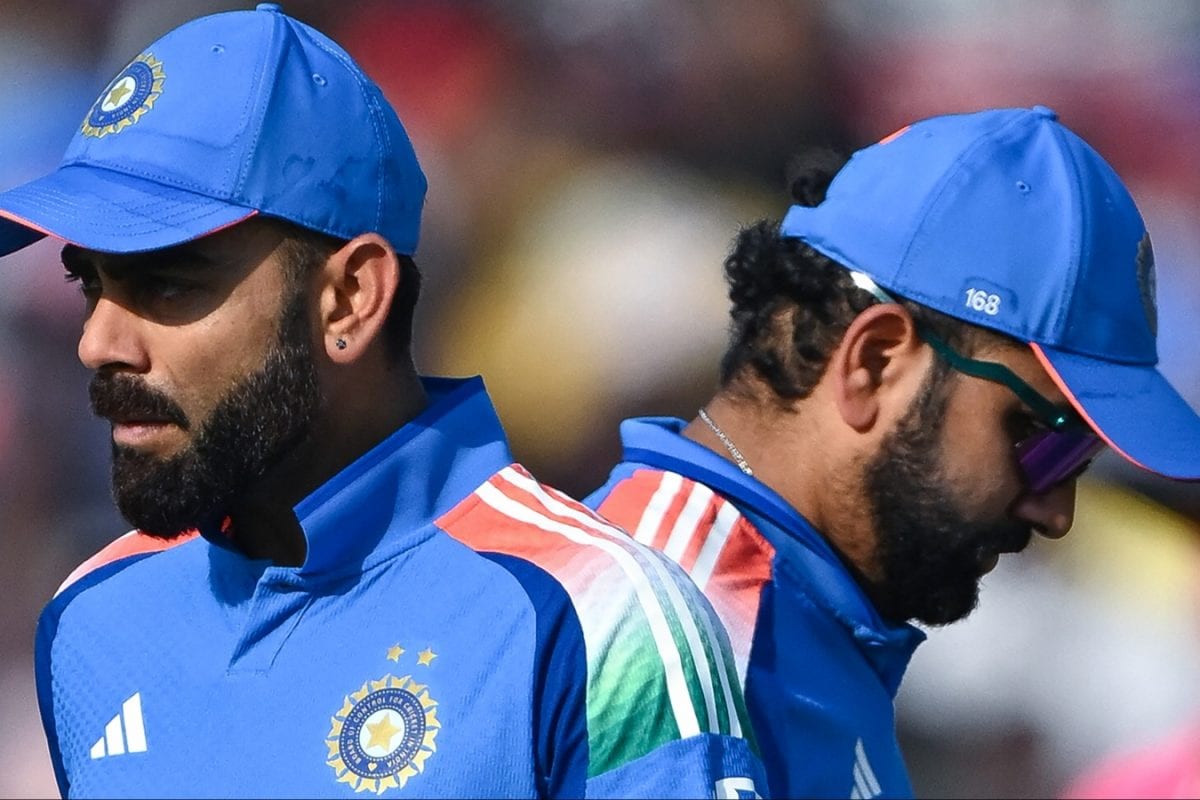
Why Virat Kohli’s Future Is Also Under the Microscope
Though Kohli remains in the ODI squad, his days as a leadership contender are under question. The report suggests that both he and Rohit were subject to similar evaluation—despite a two-year age difference and discrepancies in fitness trends. The selectors viewed it as impractical to delay the decision further, given the window available and the necessity of grooming a successor.
In essence, by handing over captaincy to Gill, the BCCI signaled that neither Rohit nor Virat were guaranteed long-term leadership roles in ODIs. Instead, they are being positioned as senior statesmen while others are prepared to take the reins.
Broader Strategic Lens
This move reflects a deeper strategy:
- The BCCI and selection committee apparently want unified leadership rather than fragmented captains in each format.
- With Suryakumar Yadav already captain in T20Is and Gill leading Tests, placing Gill in charge of ODIs too reduces complexity.
- The leadership change is also about future planning for major tournaments, giving Gill innings in captaincy across formats ahead of the 2027 cycle.
Rohit’s removal does not necessarily signal the end of his ODI career—he remains in India’s setup—but it undeniably marks the close of his tenure as a leader. Kohli’s role, too, is likely to evolve more into that of a senior contributor than a captaincy prospect.
Leave a Reply