
A major global modelling study has flagged that approximately 5.1 million people in India are at risk of contracting chikungunya annually. The findings come from an advanced analysis published in a leading health journal, combining epidemiological data with environmental, vector, and socioeconomic variables to map future burden and geographical risk.
How the Study Was Conducted
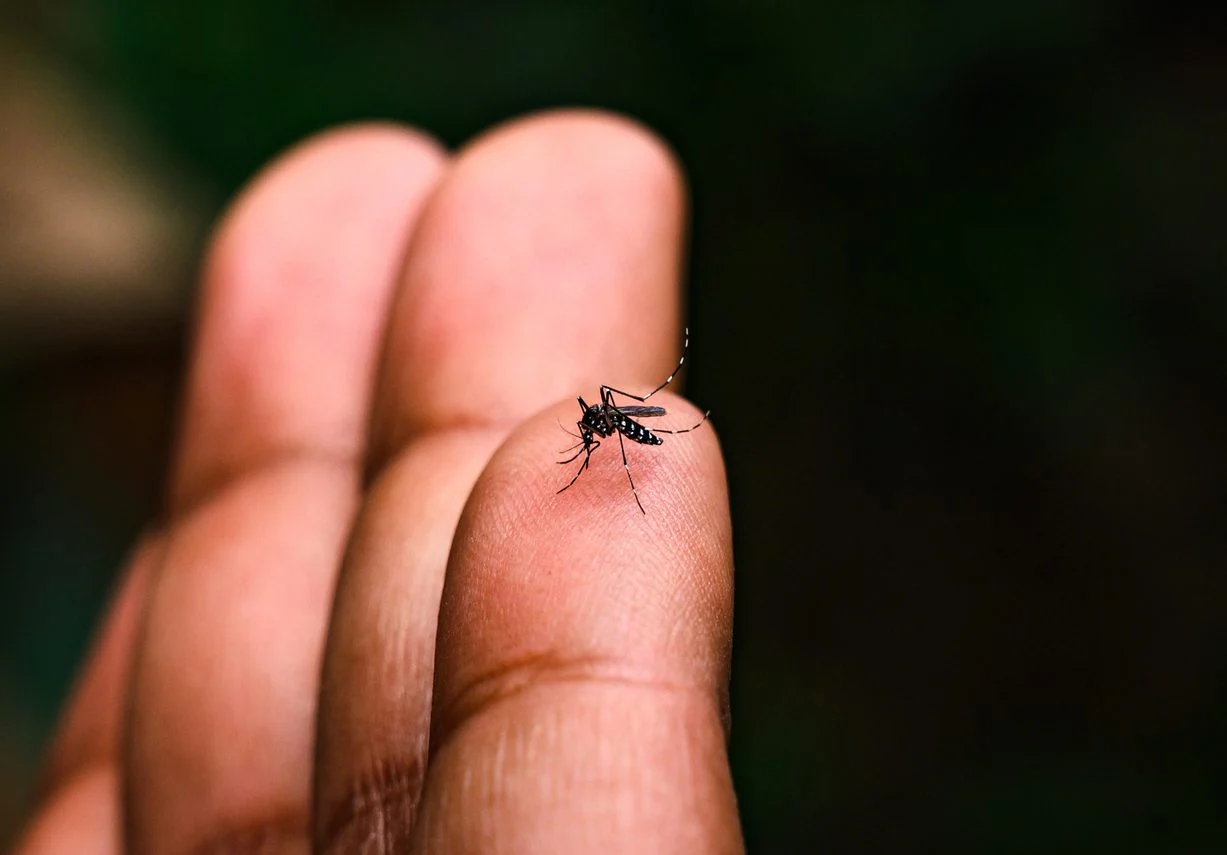
Researchers drew on a wide array of data: recorded chikungunya incidence, mosquito vector distributions (mostly Aedes aegypti and Aedes albopictus), climate parameters (temperature, rainfall), and economic indicators. Using machine learning and spatial modelling techniques, the team generated high-resolution risk maps and estimated force of infection across India and globally.
In the Indian context, the model estimated that in a “conservative scenario,” over 5 million people face exposure to chikungunya risk zones each year. The study also projected that under broader transmission assumptions, the number could climb to 12.1 million people in India.

Global and National Impacts
The global projection suggests 14.4 million people worldwide may be at risk annually in endemic or climatically suitable zones. India, Brazil, and Indonesia are among the top three countries likely to bear the greatest long-term burden. In fact, India and Brazil combined could account for nearly 48% of the global impact on health systems and individuals.
A crucial insight from the research is that more than half of the disease’s burden may stem not from acute illness but from chronic complications, especially long-term joint pain and disability, which disproportionately affect adults between 40 and 60 years of age. Younger children and very elderly individuals are more vulnerable to acute, severe manifestations.
Risks Beyond Current Hotspots
One alarming aspect of the study is its indication that chikungunya risk may expand beyond known zones. Regions not historically considered high-risk—due to changing climate, urbanization, or vector spread—could become susceptible in coming years. This underscores the possibility of under-detection in currently “low-risk” states.
Implications for Public Health Policy
Given the projections, several policy imperatives come to the fore:
- Strengthen surveillance systems to detect chikungunya early, including in areas not previously flagged
- Vector control intensification, especially in urban and peri-urban areas
- Targeted vaccination strategies, when vaccine infrastructure is available, prioritizing high-risk age groups
- Investment in supportive care infrastructure for chronic cases, including pain management and rehabilitation
- Public awareness campaigns about protecting against mosquito bites and reducing breeding sites
Study Limitations & Cautions
While the research provides a powerful forecasting tool, it is not without caveats:
- The one-year risk projections may not capture the long latency of some complications
- Detection bias: areas with better health systems may report more cases, skewing risk estimates
- The models assume static vector ecology and human behavior, whereas both can evolve
- The study’s projections should not be interpreted as guarantee of new disease burden but as plausible scenarios to guide preparedness
Leave a Reply