
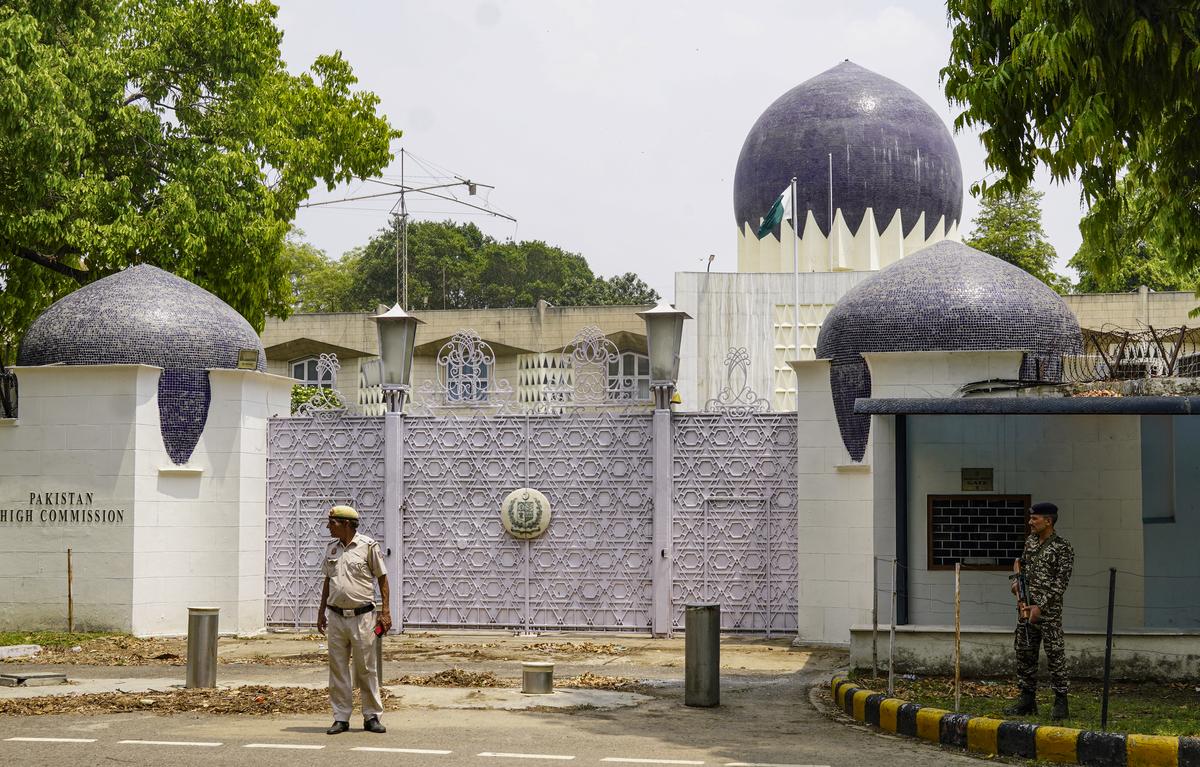
In a startling revelation that underscores the complexities of international espionage, Indian authorities have disclosed that the Pakistan High Commission’s visa desk in New Delhi has been allegedly used as a conduit for recruiting spies and gathering sensitive information. The disclosure follows the arrest of Wasim Akram, a civil engineer and YouTuber from Haryana, who reportedly acted on instructions from Pakistani intelligence operatives.
The Arrest and Background
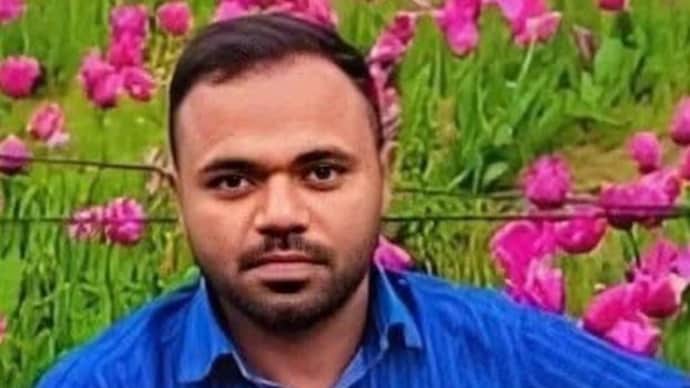
Akram, aged 29, was apprehended by Haryana police in Palwal on October 2, 2025. Investigations suggest that his involvement with Pakistani operatives began after he applied for a visa to visit relatives in Kasur, Pakistan, in 2021. Initially, his visa application was denied, but it was later approved following a bribe of ₹20,000, highlighting the allegedly manipulative practices at the visa desk.
During his stay in Pakistan in May 2022, Akram reportedly established contact with a Pakistan High Commission official identified as Jaffar alias Muzammil Hussain. Following his return to India, Akram maintained communication with Hussain, who allegedly recruited him into an espionage network aimed at gathering sensitive national security information.
Espionage Operations and Financial Transactions
Indian authorities claim that Akram received around ₹5 lakh under the guise of “visa facilitation funds,” promising commissions for helping process visa applications. In turn, Akram is said to have handed over ₹2.3 lakh, including cash payments, and provided sensitive data including SIM cards, One-Time Passwords (OTPs), and information about Indian Army operations.
The case illustrates how ostensibly legitimate diplomatic channels were allegedly exploited for espionage purposes, allowing foreign agents to access information about personnel, communications, and operational procedures.
Broader Espionage Network
This arrest is part of a wider pattern of intelligence activities linked to the Pakistan High Commission in India. Earlier operations, including Operation Sindoor, led to arrests in Malerkotla and Nuh, Punjab, where individuals were reportedly recruited by another official, Danish alias Ehsan ur Rahim. Separately, a YouTuber, Jyoti Malhotra, was apprehended on similar charges after allegedly gathering intelligence for Pakistan during a sanctioned visit.
These cases collectively suggest a systematic effort to exploit visa services for espionage, using unsuspecting civilians as intermediaries.
National Security Implications
Experts warn that the misuse of diplomatic channels poses significant risks to national security. Sensitive military, communication, and administrative information can be compromised if recruitment and data extraction go undetected. The authorities have emphasized the importance of vigilance, monitoring, and preventive counterintelligence measures to safeguard against covert infiltration.
Officials continue to investigate Akram’s role and the extent of the network, including potential links to other individuals who may have been approached or recruited through similar channels. The case has prompted heightened scrutiny of the operations of foreign missions in India, particularly in how visa facilitation services may be exploited for covert purposes.
The arrest of Wasim Akram is a stark reminder of the challenges India faces in securing national interests and protecting critical information from foreign intelligence activities.
Leave a Reply