
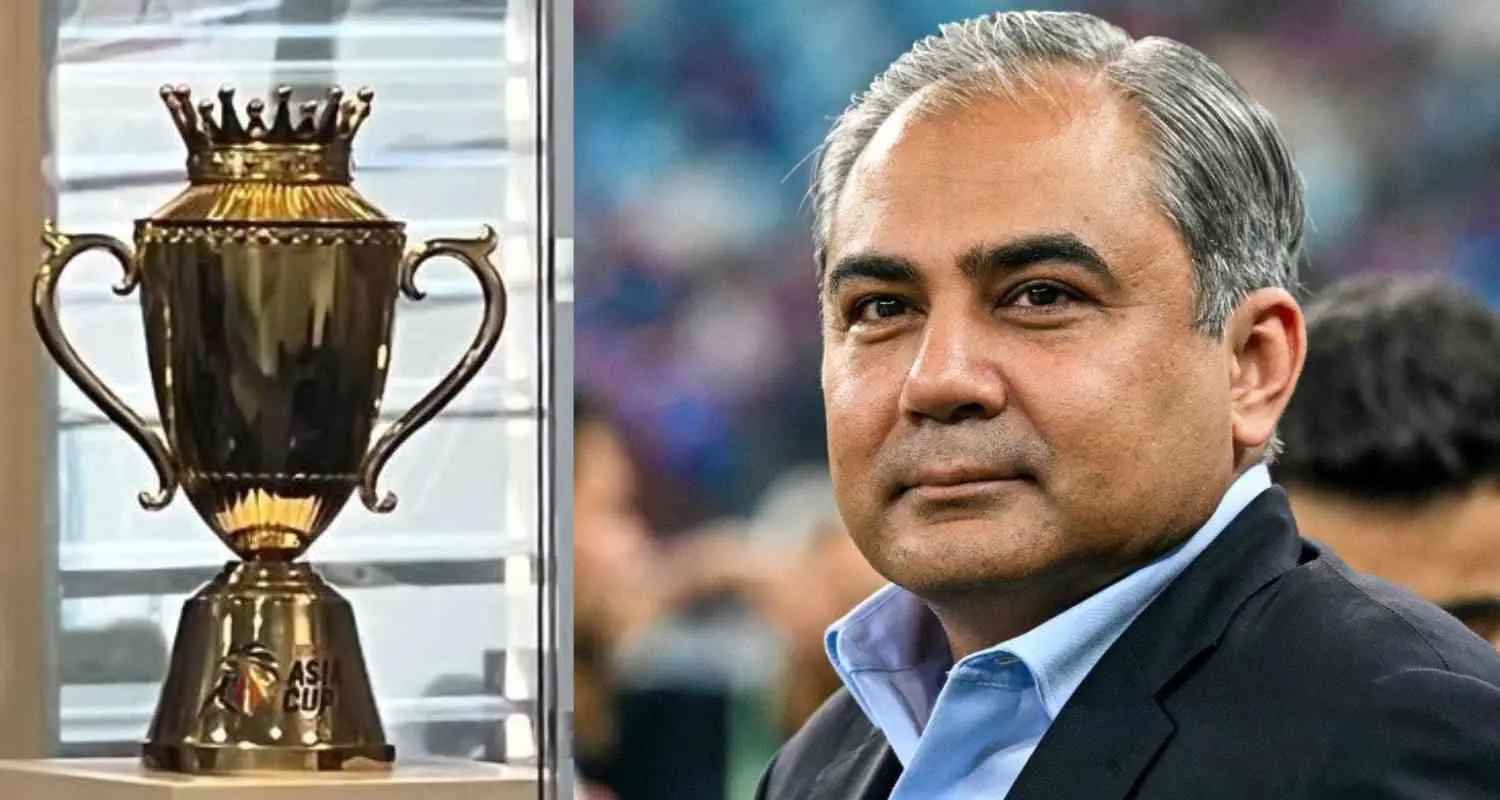
In the wake of the dramatic Asia Cup 2025 final, Pakistani authorities are reportedly preparing to honor Mohsin Naqvi, the country’s Interior Minister, PCB Chairman, and ACC President, with a prestigious gold medal for his “principled stance” during the trophy-handover controversy. The decision has stirred fresh debate across cricket and diplomatic circles, reflecting how sport and politics remain deeply intertwined in the India-Pakistan rivalry.
The Asia Cup Final and Trophy Drama
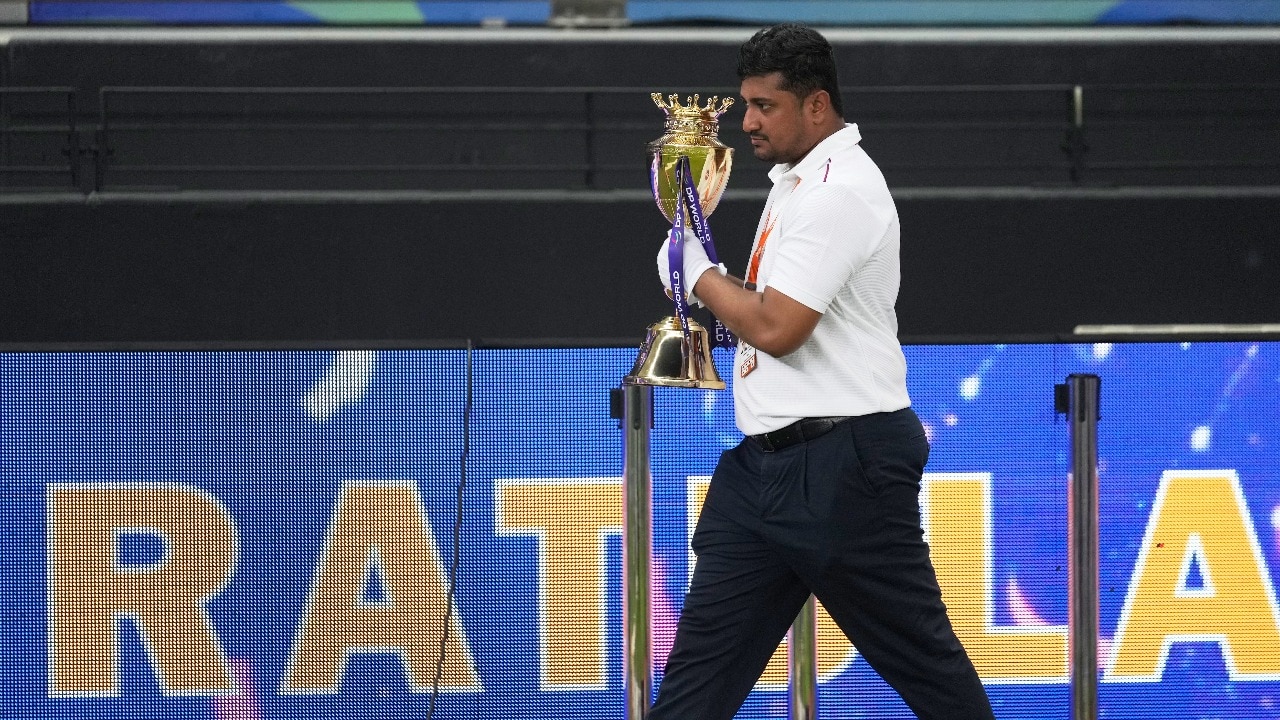
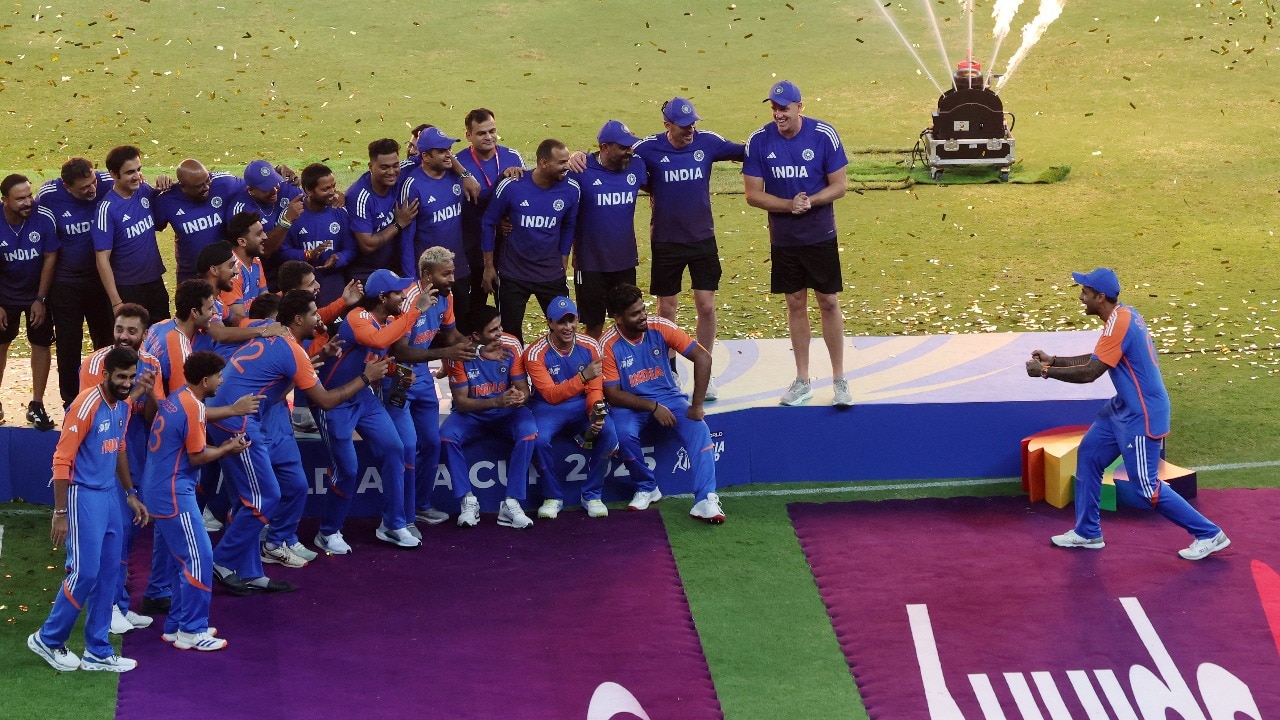
India clinched the Asia Cup title in a tense finish, defeating Pakistan in a low-scoring contest. However, the post-match proceedings were overshadowed by an unusual standoff: the Indian team refused to accept the trophy and winners’ medals from Naqvi. As a result, the presentation ceremony was delayed, truncated, and ultimately canceled, with Naqvi reportedly walking away from the stadium with the trophy in his possession.
The refusal was widely interpreted as a political statement by the Indian side. The Board of Control for Cricket in India (BCCI) later announced it would raise a formal protest to the International Cricket Council. Meanwhile, Naqvi claimed he was open to giving the trophy to India—if they were willing to collect it from him personally at an ACC office.
The Medal Honor
Sources in Pakistan allege that Naqvi will receive the Shaheed Zulfiqar Ali Bhutto Excellence Gold Medal in recognition of his “principled and courageous stance” during the Asia Cup trophy controversy. The medal, reportedly to be awarded in Karachi, is being framed domestically as a symbol of national pride rather than a standard sports honor.
While some view this as a symbolic maneuver, others see it as a direct response to the diplomatic tension that the trophy incident generated. In Pakistan, the move is portrayed by supporters as an act of dignity and strong nationalist messaging.
Reaction and Implications
The decision has triggered mixed reactions:
- Supporters in Pakistan have applauded the move, seeing it as a strong message against perceived bias and intrusion by Indian cricket authorities.
- Critics argue that honoring someone for retaining a trophy by default—rather than delivering it properly—undermines sportsmanship and sets a dangerous precedent.
- International observers may see this as another example of cricket being used as a diplomatic tool, where victories and symbols carry significance beyond the playing field.
The medal also raises questions about the future of cricket governance in the region. Will sports bodies become platforms for political showmanship? What message does this send to players and fans who expect fairness, neutrality, and respect for rhythm of the game?
What to Watch
- Whether the medal ceremony proceeds as reported, and who attends (e.g. state leaders or PCB officials)
- Formal responses from BCCI, ACC, and ICC on the decision
- How this development affects bilateral cricket and scheduling diplomacy
- The long-term impact on how cricket officials are perceived—as administrators or political actors
In sum, the proposed gold medal for Naqvi elevates a trophy controversy into a higher-stakes narrative of national pride, symbolism, and avatarization of sports leadership.
Leave a Reply