
A recent groundbreaking study has shed light on the alarming connection between visceral fat—commonly referred to as deep belly fat—and the progression of aggressive cancers in women. Researchers have found that it is not just the presence of fat but its metabolic activity that significantly influences the growth and severity of certain cancers, marking a paradigm shift in understanding obesity-related health risks.
The Study and Methodology
The study, presented at a major international oncology and nuclear medicine conference, analyzed 274 women diagnosed with endometrial cancer using advanced PET/CT imaging techniques. Unlike subcutaneous fat, which lies just beneath the skin, visceral fat surrounds vital internal organs such as the liver, pancreas, and intestines.
Investigators measured the glucose uptake of visceral fat, which serves as a marker of its metabolic activity. The results indicated that women whose visceral fat showed higher glucose consumption tended to present with more advanced cancer stages and a greater likelihood of lymph node involvement. These findings point to a strong correlation between metabolically active belly fat and cancer aggressiveness.

Key Findings
- Metabolic Activity Over Volume: The study emphasized that the metabolic activity of visceral fat, rather than its sheer quantity, plays a crucial role in promoting cancer progression. Women with highly active visceral fat experienced faster disease progression.
- Beyond BMI: Traditional reliance on Body Mass Index (BMI) as a measure of obesity risk may overlook individuals with normal weight but high visceral fat activity. This highlights the need for more nuanced assessments that incorporate fat distribution and metabolic activity.
- Targeted Preventive Measures: The findings suggest potential for interventions aimed at reducing visceral fat activity. Lifestyle changes—including regular exercise, dietary modifications, and possibly pharmacological approaches—could mitigate associated cancer risks.
Broader Implications
The study adds to growing evidence linking abdominal obesity to numerous health conditions, including breast, liver, and esophageal cancers. It underscores the need to address not only overall body fat but specifically visceral fat, which is highly metabolically active and contributes to systemic inflammation and hormonal imbalances that may fuel cancer development.
Experts warn that women, even those with normal BMI, should be aware of the hidden risks of deep belly fat. Monitoring visceral fat activity and taking preventive measures could prove critical in reducing the incidence and severity of aggressive cancers.
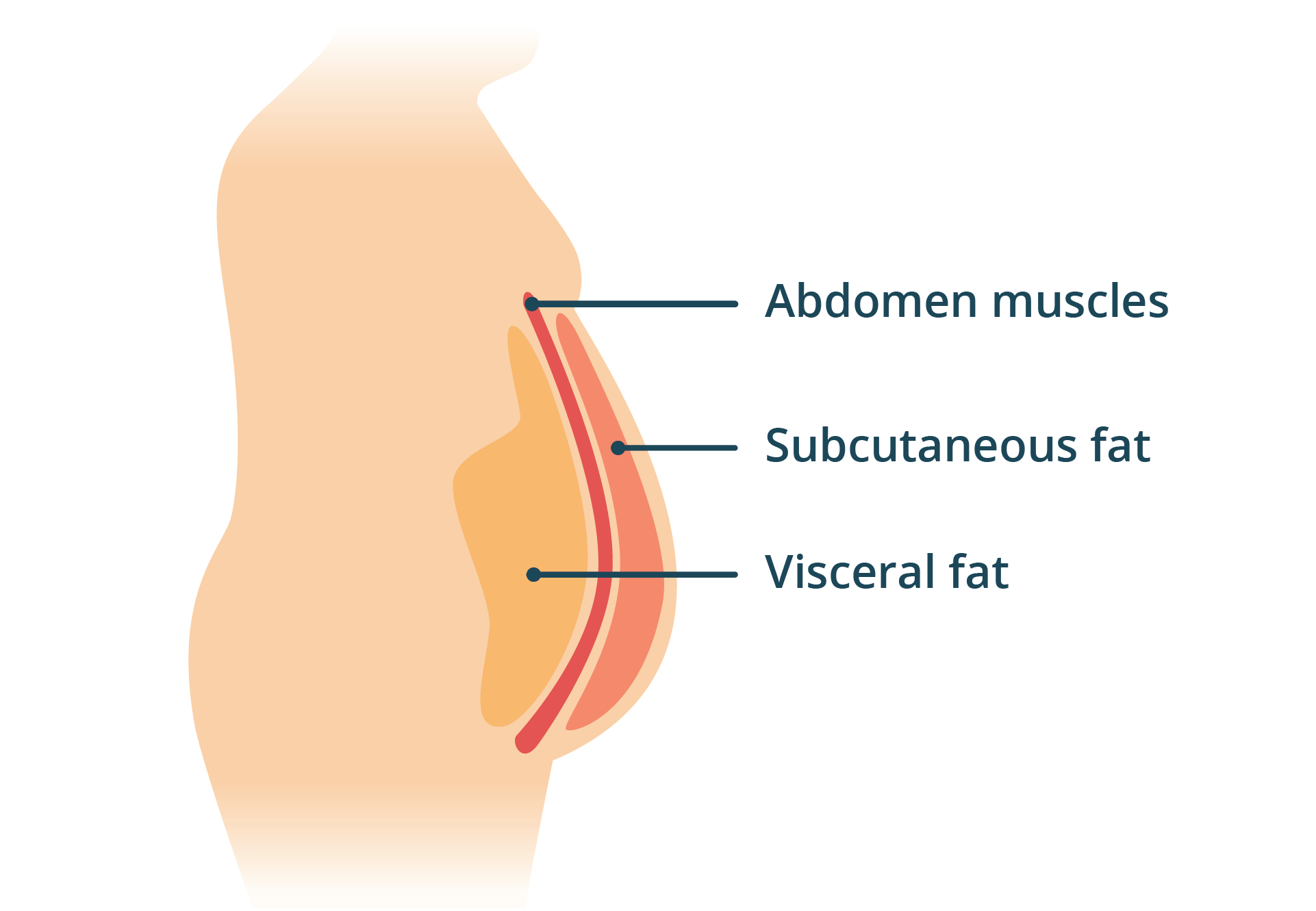
This research highlights a crucial health insight: metabolically active deep belly fat is a potent risk factor for aggressive cancers in women. By understanding the impact of visceral fat activity, healthcare providers can offer more targeted screenings and interventions, while individuals are encouraged to adopt healthier lifestyles to reduce risks.
The study signals a significant shift in cancer prevention strategies, emphasizing metabolic health alongside traditional measures of obesity. It serves as a reminder that effective disease prevention requires looking beyond visible indicators and assessing deeper physiological factors.
Leave a Reply