
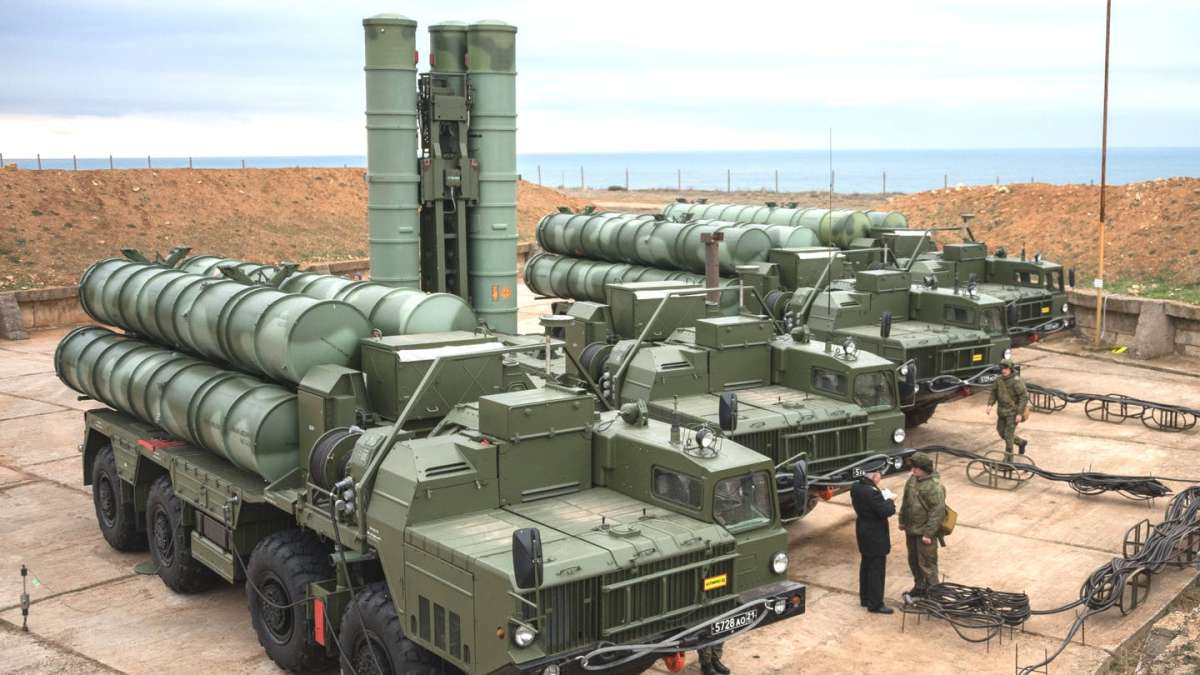
In the aftermath of Operation Sindoor, India is reportedly considering the procurement of additional S-400 surface-to-air missile systems from Russia, citing the system’s effectiveness during recent military engagements. According to several informed sources, the possibility of expanding the existing arsenal may be discussed during high-level talks between New Delhi and Moscow during the upcoming visit of the Russian President in December.
Operation Sindoor: Performance Under Spotlight
Operation Sindoor, launched as a retaliatory strike following escalating tensions, placed India’s air defence infrastructure under intense operational evaluation. Reports suggest that the S-400 systems delivered with earlier deals offered critical coverage, successfully tracking and intercepting aerial threats, and enabling India to strike targets deep into adversary airspace. The favorable performance under live conditions has reinforced confidence in the system’s strategic utility, prompting calls within segments of defence planning circles to consider expanding its deployment.
Original Deal and Delivery Status
India had signed a major agreement with Russia in 2018 to procure five S-400 squadrons, valued at approximately USD 5 billion. Of those, three squadrons have already been delivered and inducted into service. The remaining two are pending delivery under the terms of that original pact. Despite warnings from the United States about potential sanctions under the Countering America’s Adversaries Through Sanctions Act (CAATSA), India proceeded with the deal to bolster its air defence posture against regional threats.
Defence Leadership’s Response
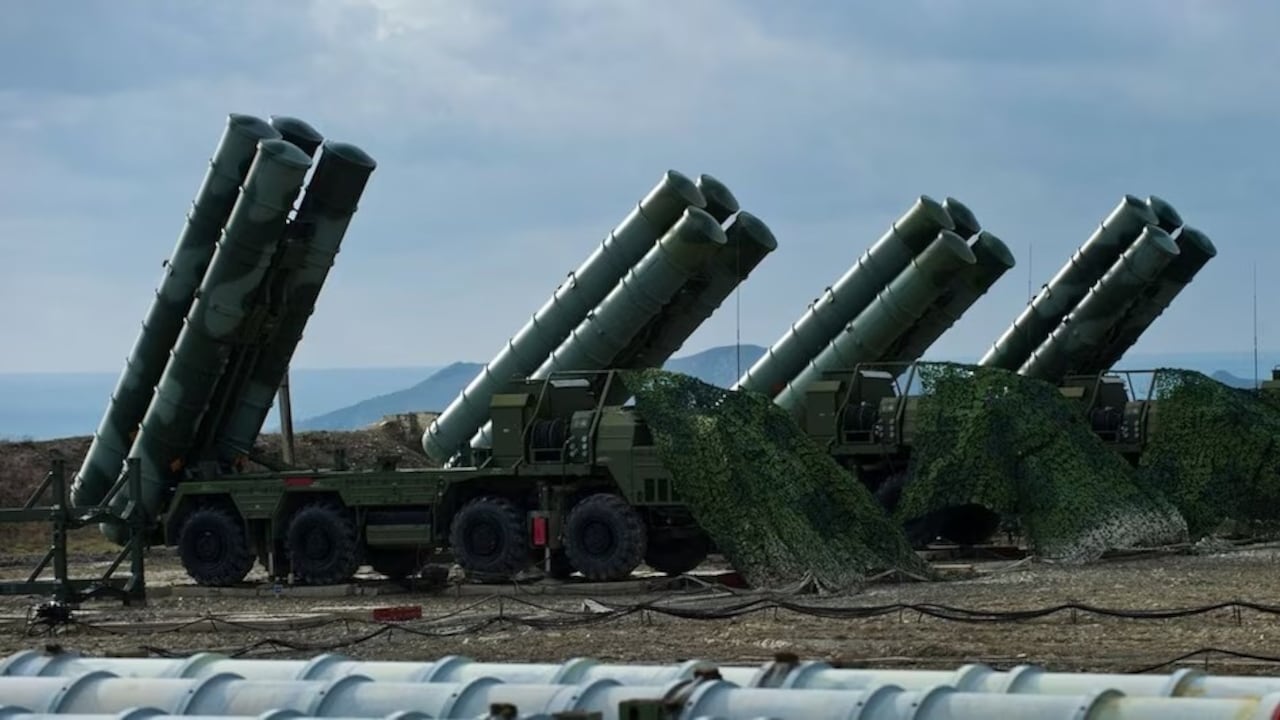
When questioned about the prospect of further acquisitions, the Chief of Air Staff, Air Chief Marshal A. P. Singh, offered guarded comments. He acknowledged that the system had performed well, observing, “there is a requirement to have more such systems”, though he declined to specify how many or when decisions might be made. He also indicated that India is concurrently developing indigenous air defence capabilities and would weigh procurement against domestic development efforts.
Strategic Drivers Behind Expanded Procurement
Several strategic considerations appear to be motivating the push toward additional S-400 units:
- Enhanced deterrence: A larger footprint of long-range air defence systems would strengthen deterrence, particularly along volatile borders and potential infiltration corridors.
- Layered air defence architecture: Supplementing the S-400 network would support a multi-tiered defensive umbrella, integrating short, medium, and long-range systems to guard against missiles, fighters, drones, and other aerial threats.
- Operational validation: Success under real combat conditions often accelerates confidence among military planners and justifies further investment in proven systems.
- Diplomatic alignment: The timing of the procurement decision may dovetail with broader strategic engagements with Russia, offering an opportunity to reaffirm defence partnership at the diplomatic level.
In addition, some defense analysts believe India could explore the S-500 system—Russia’s next-generation missile defence platform—as part of its aspirational capabilities roadmap.
Challenges and Considerations
While the case for more S-400 systems is compelling, several challenges must be navigated:
- Cost and funding: Expanding high-end air defence assets requires substantial capital investment, potentially competing with other defense modernization priorities.
- Sanctions risk: The specter of CAATSA remains, requiring careful diplomatic calibration and possibly leveraging U.S. waivers or mitigations.
- Delivery timelines: Past delays in electronics, components, and logistics have slowed defense imports—the timing of new acquisitions must account for realistic supply chains.
- Integration and interoperability: Additional units must mesh with existing radars, command and control systems, indigenous systems under development, and allied platforms without excessive lag or redundancy.
- Balancing indigenous development: India is pushing several homegrown air defence projects (e.g., under Mission Sudarshan Chakra, Project Kusha, and similar programs). Strategic planners will need to balance foreign procurement with indigenous system advancement.
What to Expect in Coming Months
- During the Russian President’s December visit, defence and strategic dialogues may include firm proposals for additional S-400 deliveries.
- The Ministry of Defence may initiate internal reviews and budgetary allocations to accommodate new acquisitions.
- Strategic think tanks and policy forums are likely to engage with the debate over foreign systems versus domestic air defence development.
- India’s broader defence posture, especially along northern and western borders, may see heightened activity to test integration of additional systems once acquired.
The possibility of procuring more S-400 units signals India’s intent to actively consolidate gains from Operation Sindoor and to ensure its aerial deterrent remains resilient and scalable. Whether the plan advances will depend on diplomatic alignment, financial commitment, and successful integration into India’s evolving defense architecture.
Leave a Reply