

In a bold stride for reproductive science, researchers have successfully cultivated human egg cells in the laboratory—a development that could one day transform infertility treatment for women whose natural eggs are compromised or depleted. This achievement represents a milestone in in vitro gametogenesis and opens new avenues for understanding human fertility.
The Scientific Advancement
The research team began with somatic (body) cells—specifically skin cells—and reprogrammed them to behave like germline cells capable of becoming egg cells. The nucleus from a skin cell was transferred into an enucleated donor egg cell (i.e., an egg whose own nucleus was removed). Through a carefully engineered process resembling natural meiosis, the modified cell was induced to shed excess chromosomes so that it would carry the correct haploid chromosome number.
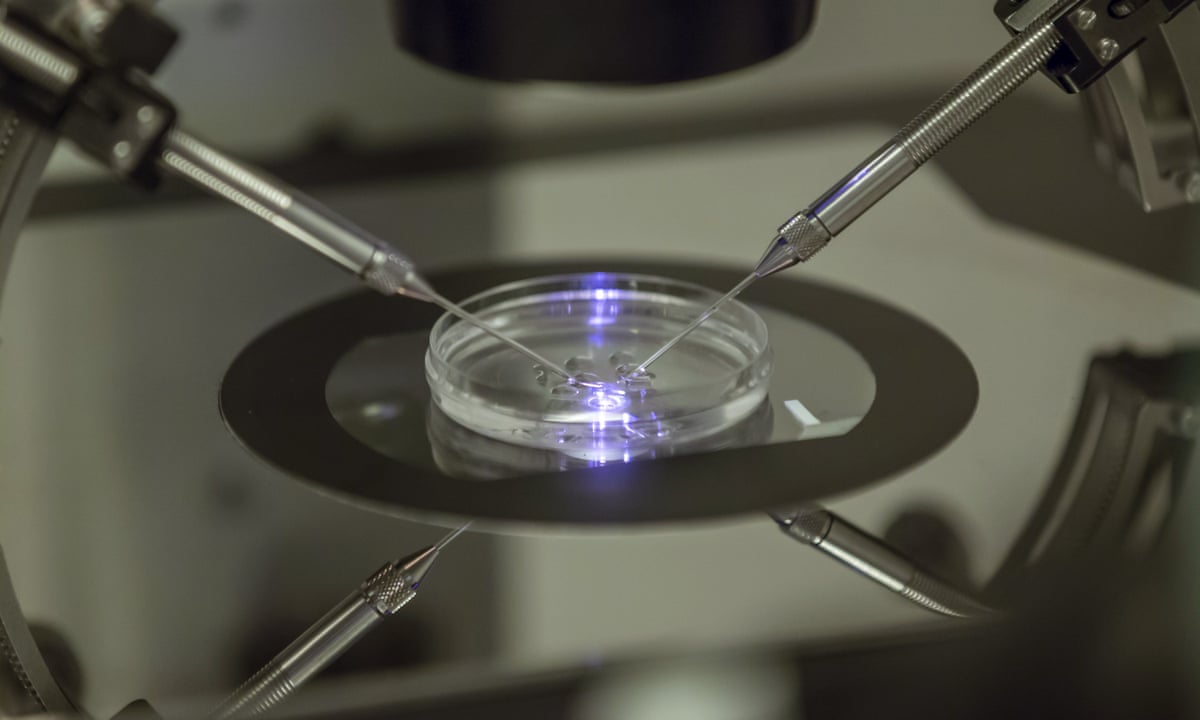
Out of the eggs created and fertilized in the lab, a fraction progressed to the early blastocyst stage. However, many of the embryos displayed chromosomal abnormalities, and none have yet been cultivated to full term. The experiments serve as a proof of concept rather than a ready clinical method.
Potential Implications
If refined and deemed safe, the technology could offer hope to women whose eggs are damaged by age, illness, medical treatments (such as chemotherapy), or genetic conditions impeding normal egg development. It could also enable creation of eggs from other cell sources, expanding options where traditional egg donation or harvesting is not feasible.
In a broader context, lab-grown gametes might one day allow same-sex couples or individuals without viable gametes to have genetically related children. However, reaching clinical maturity for this technique will require overcoming significant biological, technical and ethical hurdles.
Challenges Ahead
Despite the excitement, major challenges remain:
- Genetic stability: Many lab-generated embryos showed chromosomal irregularities, raising concerns about potential mutations or developmental failures.
- Efficiency and viability: The proportion of successfully matured eggs and viable embryos remains low, far from levels required for safe human application.
- Ethical and regulatory oversight: Delicate questions arise about the long-term health of children born via such methods, consent, genetic consequences, and equitable access.
- Translational timeline: Experts caution that translating this from lab bench to clinical use will take many years of validation, refinement, and regulatory approval.
Expert Perspective
Scientists view this breakthrough as a foundational step rather than an endpoint. It demonstrates that human egg formation from somatic cells is conceptually possible. But many more years of work—on chromosomal quality control, epigenetic integrity, and safety protocols—lie ahead.
Bioethicists urge transparent public discourse. As the technology evolves, society must navigate how to responsibly integrate such capabilities into reproductive care without exacerbating inequities or inciting misuse.
Leave a Reply