

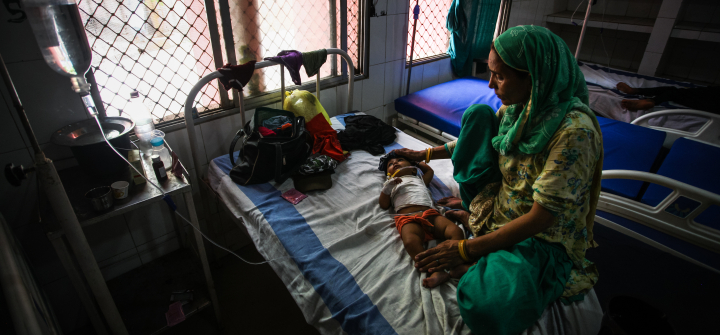
A recent health study has raised serious concerns over medical practices in India, revealing that a large number of doctors are prescribing antibiotics to children suffering from diarrhoea even when such treatment is unnecessary. The findings highlight a dangerous “know-do gap,” where doctors are aware of correct medical guidelines but fail to follow them in practice. The survey was conducted across 253 towns in Karnataka and Bihar, covering more than 2,200 healthcare providers. The participants included MBBS doctors, AYUSH practitioners, rural medical practitioners, and pharmacists.
Researchers used a combination of standardised patient visits—in which trained actors posed as parents of children with diarrhoea but without bacterial symptoms—and vignette-based case assessments to evaluate providers’ knowledge. This method allowed the study to directly compare what doctors know versus how they actually treat patients.
Key Findings
The results painted a troubling picture:
- 70% of doctors prescribed antibiotics for childhood diarrhoea cases where they were not required.
- 62% of providers knew antibiotics were unnecessary but still prescribed them in practice.
- If doctors simply followed what they already knew, inappropriate prescriptions could fall by 30 percentage points.
- Focusing only on knowledge improvement, without addressing behaviour, would lead to only a 6 percentage point reduction.

Why the Overprescription?
The study identified multiple reasons behind this behaviour:
- Perceived patient expectations: Many doctors believe that parents expect antibiotics, and fear losing credibility or patient trust if they don’t prescribe them.
- Diagnostic uncertainty: Without reliable and affordable diagnostic tools, doctors often prescribe antibiotics “just in case.”
- Training gaps among providers: Rural medical practitioners, pharmacists, and non-MBBS providers were more likely to misuse antibiotics, indicating a need for stronger training and regulation.
Wider Implications
The consequences of this trend are deeply worrying:
- Antimicrobial Resistance (AMR): Overuse of antibiotics is one of the leading causes of AMR, making infections harder to treat and threatening global health. India is already considered highly vulnerable.
- Risks to child health: Antibiotics can cause unnecessary side effects, disrupt healthy gut bacteria, and sometimes prolong recovery instead of speeding it up.
- Economic costs: Families spend money on medicines that are not needed, while the healthcare system bears the burden of wastage.
The Way Forward
Public health experts stress that solving the issue requires both systemic reforms and behavioural changes:
- Doctor-parent communication: Doctors must explain to parents why antibiotics are not needed and reassure them about safe treatment methods like Oral Rehydration Solution (ORS) and hydration.
- Improved diagnostics: Affordable, quick diagnostic tests can reduce uncertainty and unnecessary prescriptions.
- Stronger treatment guidelines: Standard protocols should be reinforced, particularly in rural and semi-urban healthcare settings.
- Awareness among parents: Educating families about the risks of antibiotic misuse can reduce pressure on doctors to prescribe unnecessarily.
Expert Voices
Health specialists point out that the challenge is not only about training doctors but also about addressing perceptions. “Doctors often prescribe antibiotics not because they don’t know the correct treatment, but because they believe patients expect it,” one expert noted. Addressing this “expectation gap” could be key to improving practices.
India’s Challenge Ahead
India is already grappling with rising cases of drug-resistant infections. Unless strict measures are taken to address antibiotic misuse, the country risks facing a major public health crisis in the near future. This study acts as a stark reminder that both healthcare providers and patients must play a role in tackling the growing threat of antibiotic resistance.
Leave a Reply