

In response to the growing controversy surrounding India’s scheduled Asia Cup clash against Pakistan on September 14 in Dubai, the Board of Control for Cricket in India (BCCI) has issued a clear statement reaffirming the match’s legitimacy under newly revised government policy.
BCCI Secretary Devajit Saikia explicitly cited the updated guidelines formulated by the central government in August. These guidelines permit Indian athletes to participate in multinational tournaments—such as the Asia Cup— even when the opposing nation is not on friendly diplomatic terms, while still maintaining a halt on bilateral competition with Pakistan.

The mounting backlash traces back to a terror attack in Pahalgam, Jammu & Kashmir, on April 22, which claimed the lives of 26 tourists and was linked to Pakistani-based militant groups. The tragedy sparked widespread outrage, with former cricketers and sections of the public demanding a boycott of the India-Pakistan encounter.
Addressing these reactions, Saikia clarified that “no restrictions” have been placed by the government on India playing against non-friendly nations in multinational events. He emphasized that compliance with this policy is mandatory, warning that withdrawing from such fixtures could invite sanctions against Indian cricket—and could impact athletes across various disciplines, including global stars like Olympic champion Neeraj Chopra.
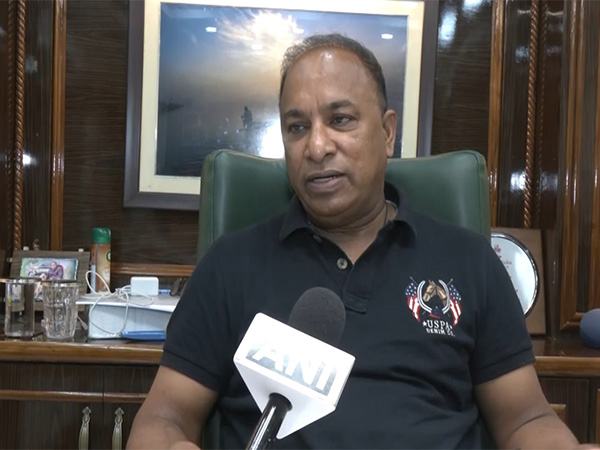
He added that these rules extend beyond cricket, applying to all international sporting events governed by bodies such as ICC, AFC, or FIFA. Refusal to participate could have broader repercussions affecting sports federations and athletes across India.
BCCI’s stance aligns with the government’s strategic approach: avoiding politicization of multilateral sports events while maintaining diplomatic firmness in bilateral relations.
Leave a Reply