
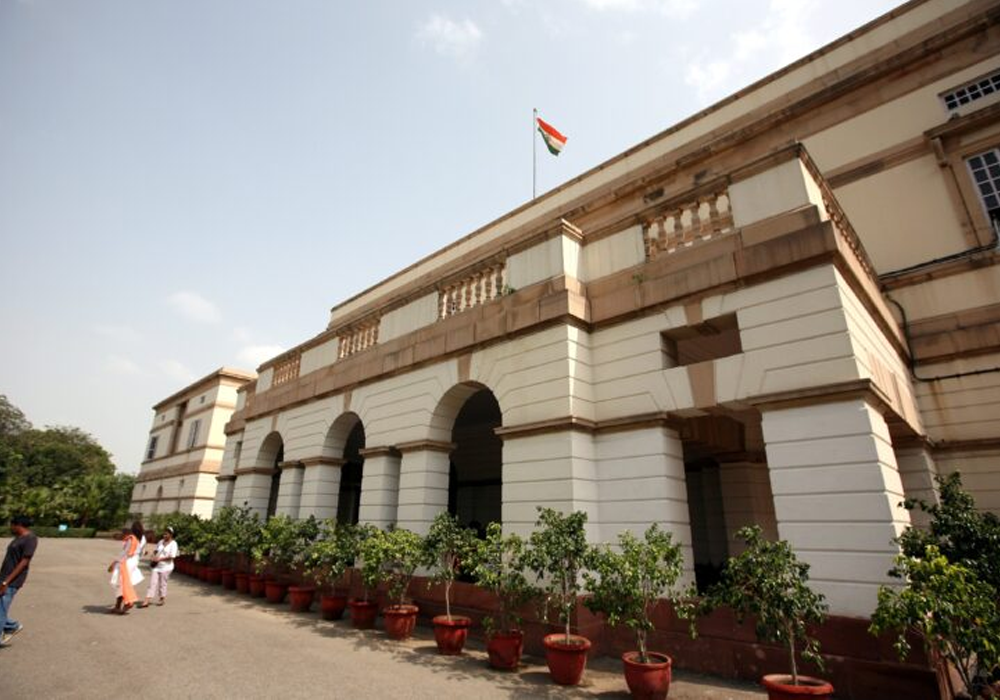
A piece of Indian political history has just changed hands in what is being described as the largest residential property transaction ever recorded in India. The first official residence of Pandit Jawaharlal Nehru, India’s first Prime Minister, located at 17 York Road (now Motilal Nehru Marg) in Delhi’s elite Lutyens’ Bungalow Zone (LBZ), has reportedly been sold for a staggering ₹1,100 crore.
The bungalow, spread across nearly 15,000 square meters (3.7 acres), is not only remarkable for its sprawling size and prime location but also for its unmatched historical legacy. Nehru occupied the residence soon after independence before moving to the more widely known Teen Murti House, which now houses the Nehru Memorial Museum and Library. This makes the property one of the most politically significant addresses in India’s history.
Property Details and Transaction
The estate boasts an estimated 24,000 square feet of built-up area and sits in the heart of Delhi’s power corridor, where some of India’s most influential political and business leaders reside. Originally listed at ₹1,400 crore, the final negotiated amount settled at ₹1,100 crore, underscoring the strength of demand for premium heritage properties despite a cooling broader real estate market.
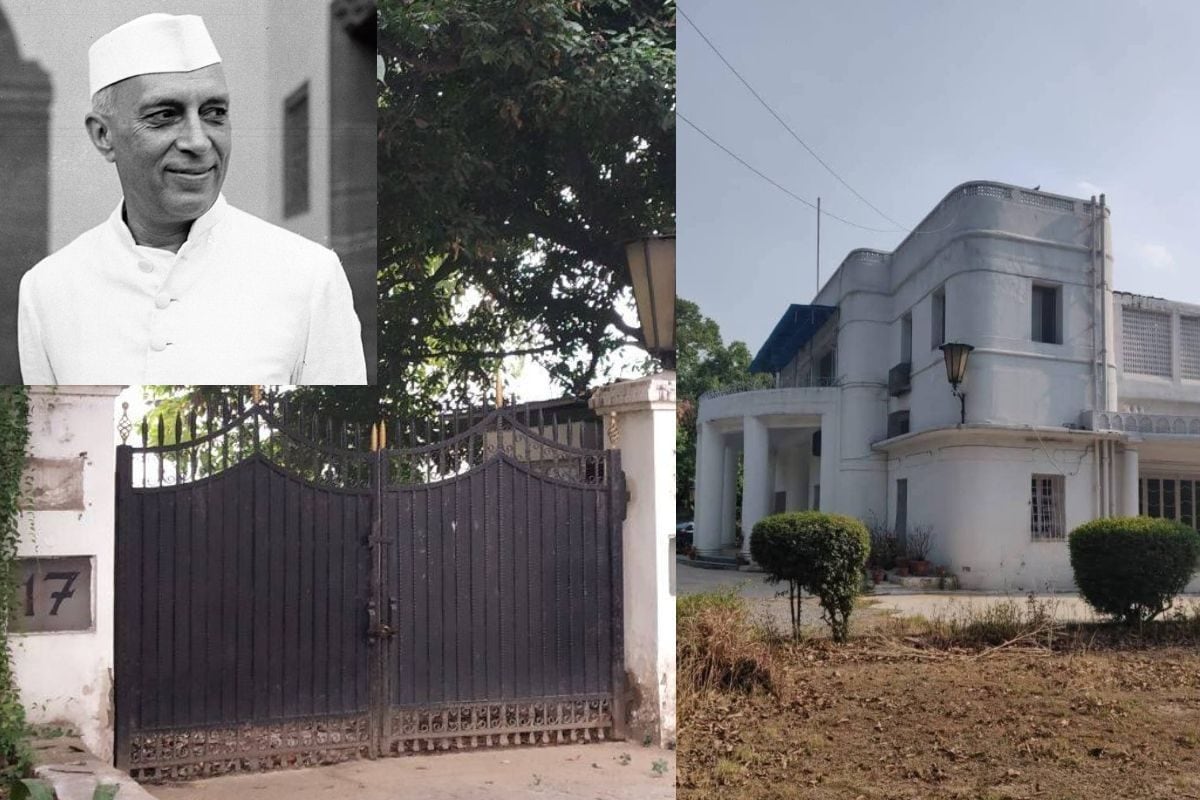
The current owners, Rajkumari Kakkar and Bina Rani, belong to a royal Rajasthani family that has held the property for decades. After lengthy negotiations, they agreed to sell, marking the end of their family’s stewardship over a historically treasured residence. The buyer, whose name has not yet been officially disclosed, is widely reported to be a prominent industrialist from the beverage sector.
A legal firm representing the purchaser has issued a public notice inviting any claims or objections within a seven-day period, a procedural step that signals the deal is in its final stages of completion.
Why This Sale Matters
This sale is being hailed as a milestone moment for India’s luxury property market. The Lutyens’ Bungalow Zone is considered one of the most valuable real estate regions in the world, often compared to global high-value zones like London’s Mayfair and New York’s Billionaire’s Row. Homes in LBZ are rarely put up for sale, and when they are, they typically fetch astronomical prices due to limited availability, historical significance, and ultra-high demand.
By crossing the ₹1,000-crore threshold, the Nehru bungalow has set a new benchmark, reshaping market expectations and demonstrating the immense wealth concentrated in India’s ultra-high-net-worth demographic. Industry observers believe that such transactions highlight both the symbolic value of legacy properties and the rising appetite for heritage-linked luxury assets among India’s elite.

Historical and Cultural Significance
The property is not just bricks and mortar; it carries a deep connection to India’s formative years. Nehru, who was sworn in as the first Prime Minister of India in 1947, lived in this bungalow before moving to Teen Murti House. The residence at 17 York Road thus served as the backdrop for many early political meetings and policy discussions in the years immediately following independence.
Its transformation into a private luxury asset reflects how India’s political history is gradually intersecting with modern real estate economics. For many, the sale also raises questions about heritage preservation versus private ownership—a debate that has resurfaced in India’s rapidly commercializing property sector.
Impact on Delhi’s Real Estate Market
Real estate analysts note that this transaction will likely have ripple effects across the Delhi luxury housing segment, particularly in areas like Jor Bagh, Golf Links, and Sunder Nagar. While LBZ remains the pinnacle of exclusivity, the Nehru bungalow deal sets a precedent for pricing in other premium zones.
Furthermore, experts point out that the deal is not just about real estate value—it is about legacy, exclusivity, and access to a symbolic piece of India’s political past. Such properties are rarely available, making them not only financial assets but also cultural trophies for the ultra-wealthy.
Leave a Reply