

During his official visit to Tokyo for the 15th India–Japan Annual Summit, Prime Minister Narendra Modi was presented with a Daruma doll by Rev. Seishi Hirose, the Chief Priest of Shorinzan Daruma-Ji Temple. The gesture carried profound cultural meaning, connecting centuries-old traditions of Japan with India’s spiritual roots.
The Daruma doll is deeply associated with Bodhidharma, the Indian Buddhist monk from Kanchipuram, Tamil Nadu, who traveled to China in the 5th–6th century and laid the foundation of Zen Buddhism. Over the centuries, his philosophy spread to Japan, where he became a revered figure known as “Daruma.”

What is a Daruma Doll?
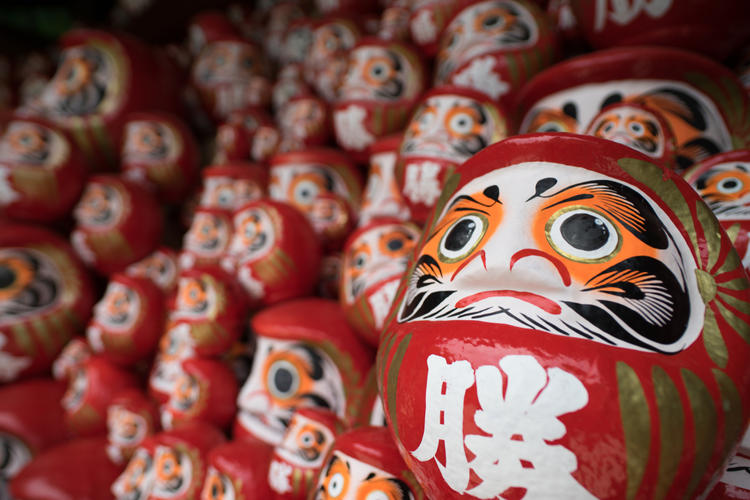
A Daruma doll is a hollow, round, and limbless traditional Japanese doll. It is designed with a unique feature—when tipped over, it rights itself again. This reflects the Japanese proverb “Nanakorobi yaoki” (七転び八起き), which means “fall down seven times, get up eight.” The design represents resilience, persistence, and the ability to overcome challenges.
The doll usually has blank white eyes. In Japanese tradition, one eye is filled in when setting a goal or making a wish, while the other is completed only after the goal is achieved—signifying determination, focus, and fulfillment.
History and Cultural Significance
The tradition of the Daruma doll originated around the 17th century in Takasaki, Gunma Prefecture, near the Shorinzan Daruma Temple. The temple’s monks first crafted the dolls to symbolize good fortune and perseverance. Over time, the Daruma became one of the most popular talismans of luck and goal achievement in Japan.
- Spiritual Roots: Based on Bodhidharma, the monk who meditated for nine years facing a wall, symbolizing discipline and unwavering focus.
- Cultural Role: The Daruma is a common item during New Year celebrations in Japan, often bought at temples to set intentions for the year ahead.
- Global Symbolism: Today, it is recognized worldwide as a metaphor for resilience, making it an apt gift to leaders and achievers.
Why the Daruma Doll Matters in India–Japan Relations
By presenting the Daruma doll to PM Modi, Japan highlighted the shared spiritual heritage between the two nations. Since Bodhidharma himself was of Indian origin, the doll is not just a Japanese cultural icon but also a reminder of India’s influence on East Asian spirituality.
The gift symbolized:
- Resilience in leadership—reflecting Modi’s role in guiding India’s progress.
- Cultural diplomacy—reinforcing the centuries-old bonds between India and Japan.
- Spiritual legacy—celebrating Bodhidharma’s contribution to Zen Buddhism, which links both nations historically.
Conclusion
The presentation of the Daruma doll to PM Modi was more than a ceremonial gesture; it was a symbolic reminder of perseverance, focus, and cultural unity. Rooted in Indian heritage yet blossomed in Japanese tradition, the Daruma reflects how spiritual philosophies transcend borders, strengthening ties between nations.
Leave a Reply