
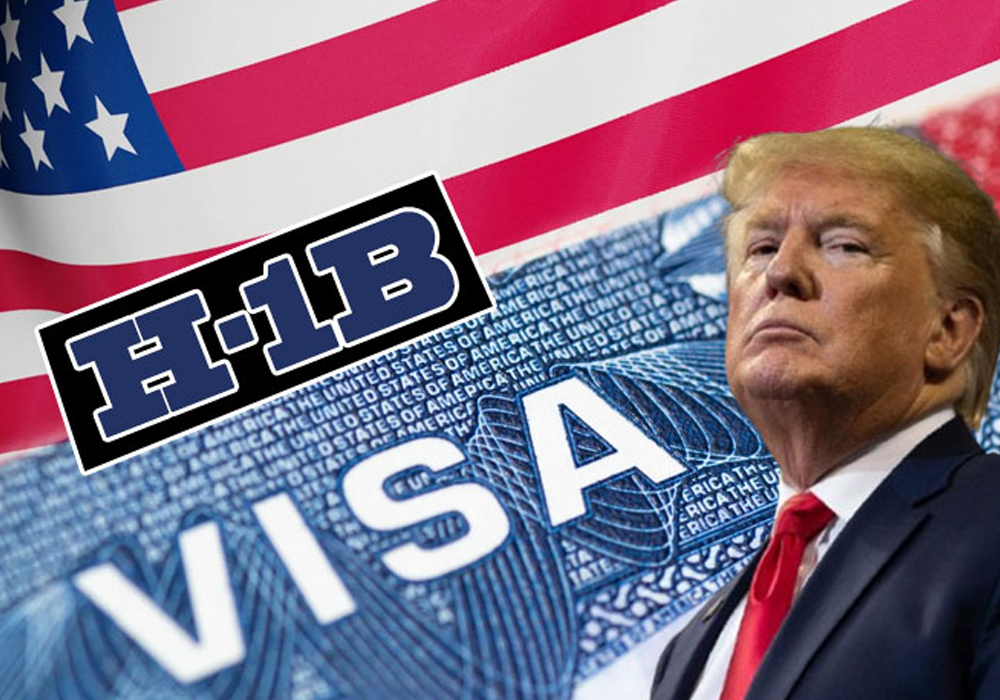
In a bold declaration signaling a dramatic shift in immigration policy, U.S. Commerce Secretary Howard Lutnick, representing the Trump administration, labeled the H-1B visa system a “scam” and outlined plans for sweeping reforms to both the H-1B visa and green card frameworks.
“Scam” and Structural Reform
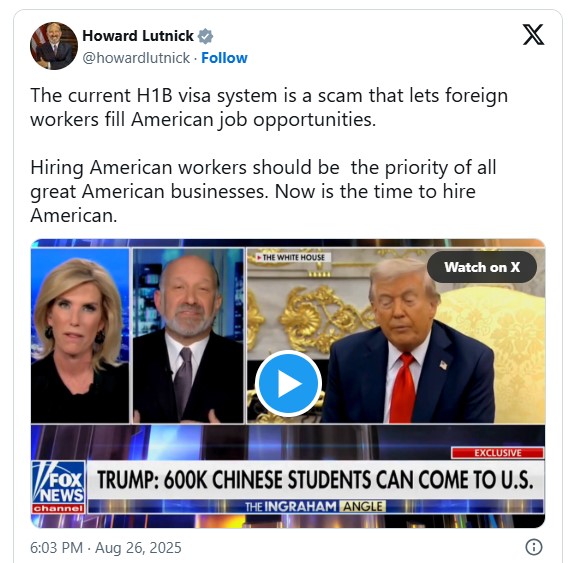
Lutnick, in a televised statement, criticized the current H-1B system as being rife with exploitation and failing to prioritize American workers. “The current H-1B visa system is a scam that lets foreign workers fill American job opportunities. Hiring American workers should be the priority of all great American businesses,” he asserted.
Shift to Wage-Based Merit System
The Trump team plans to dismantle the traditional lottery-based selection method for both H-1B visas and green cards, replacing it with a wage-based, merit-driven model. Higher-earning, highly-skilled applicants are expected to be given preference, a strategy intended to support U.S. labor market requirements and discourage low-wage replacements.
Introducing the “Gold Card” Pathway
A standout feature of the proposed changes is the “Gold Card” initiative—an investment-based residency option. Under this scheme, wealthy individuals could acquire permanent U.S. residency by investing a significant amount (reportedly around $5 million), thereby bypassing traditional green card backlog delays.
India’s Workforce at a Crossroads
These impending reforms carry particular significance for Indian nationals, who currently account for over 70% of H-1B visa recipients. The restructuring toward a merit and wage-centric system may introduce higher entry thresholds for Indian professionals working in tech and other sectors.
Background & Broader Implications
This policy pivot follows Trump’s historical pattern of immigration tightening. During his previous term, increased scrutiny and elevated denial rates characterized H-1B adjudication. Currently, added security measures—such as biometric requirements and personal data collection—signal continued vigilance.
Critics argue these moves might undercut U.S. innovation and competitiveness. Notably, major tech companies—reliant on immigrant talent—have warned that tightened immigration rules and green card bottlenecks may hamper sectors like AI, cybersecurity, and cloud computing.
Leave a Reply