
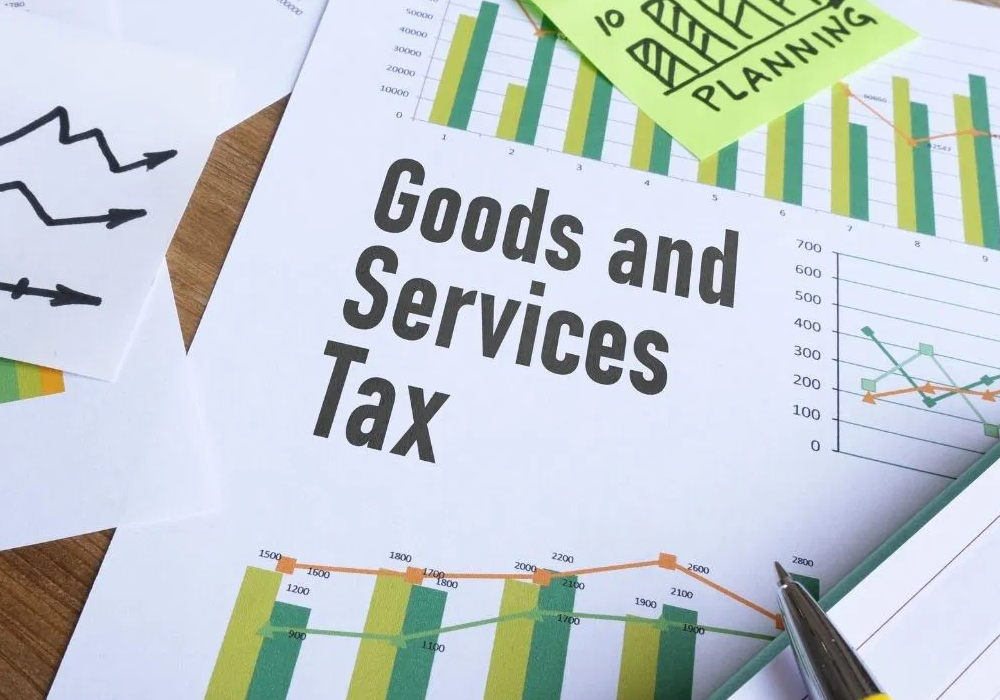
A significant reform in India’s Goods and Services Tax (GST) structure is on the horizon. The Group of Ministers (GoM) on GST, chaired by Bihar Deputy Chief Minister Samrat Choudhary, has agreed to the Centre’s proposal to streamline the existing tax system by eliminating the 12% and 28% slabs. This reform is aimed at making GST simpler, more transparent, and business-friendly.
Proposed New GST Framework:
Under the proposed structure, the current four-tier GST system—5%, 12%, 18%, and 28%—will be consolidated into two main slabs:
- 5% for essential and commonly used goods
- 18% for standard goods and services
- 40% for harmful and ultra-luxury items (e.g., tobacco, pan masala, and luxury cars)
The GoM has endorsed this shift to simplify the indirect tax regime, provide relief to the middle class, MSMEs, and the agricultural sector, and reduce compliance complexity.
Finance Minister Nirmala Sitharaman welcomed the decision, stating that this simplified GST model would enhance user-friendliness, improve compliance, and support small businesses across sectors.
While the proposal has gained traction, West Bengal Finance Minister Chandrima Bhattacharya expressed concerns over potential revenue losses to both the Centre and states. She advocated for an additional levy over the proposed 40% GST on luxury items to ensure that total tax collections remain consistent with current levels.
Uttar Pradesh Finance Minister Suresh Kumar Khanna backed the idea of imposing a 40% rate specifically on sin goods and ultra-luxury products, emphasizing the importance of disincentivizing consumption of harmful commodities.
As discussions progress, the GST Council will take a final call on implementation after considering concerns around revenue neutrality and state-level impact.
Leave a Reply