
In the age of digital connection, social media has become an integral part of everyday life. While it bridges distances and fosters relationships, its growing influence on mental health cannot be ignored. Understanding the psychological effects of social media is crucial for navigating its use in a healthy and balanced way.
On the positive side, social media allows people to stay in touch with loved ones, no matter where they are in the world. This constant connection can alleviate feelings of loneliness and isolation. Furthermore, social platforms provide valuable access to online support communities, especially for individuals dealing with mental health challenges, chronic illness, or grief. These groups can foster a sense of belonging and offer emotional support.
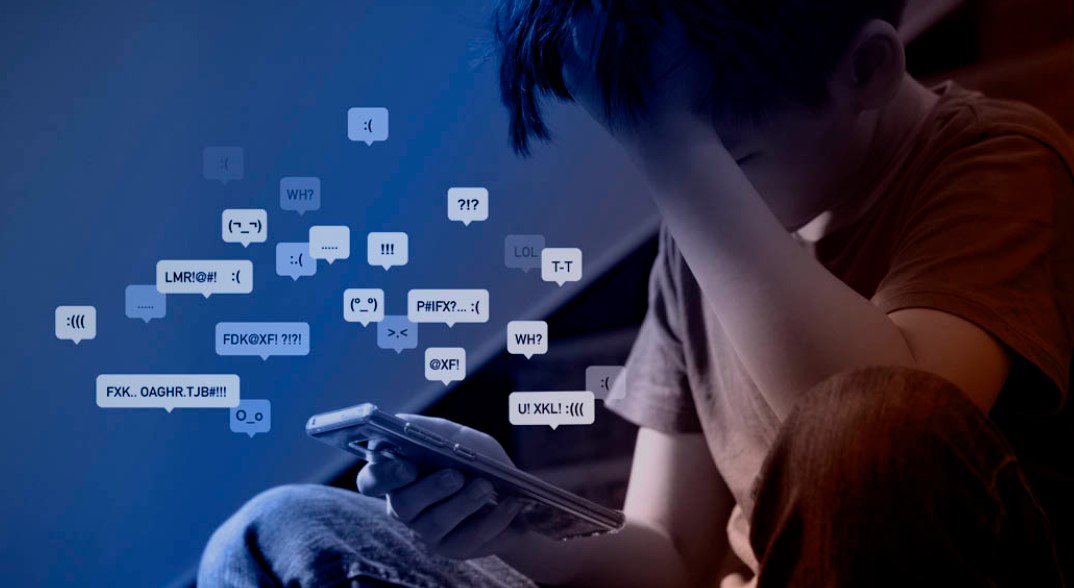
However, the darker side of social media is becoming increasingly evident. Constant comparison with others’ curated online lives can cause feelings of inadequacy, envy, and low self-esteem. This type of content overload often leads to distorted self-perception, especially among young users. Cyberbullying is another serious concern, with the potential to trigger anxiety, depression, and emotional distress.
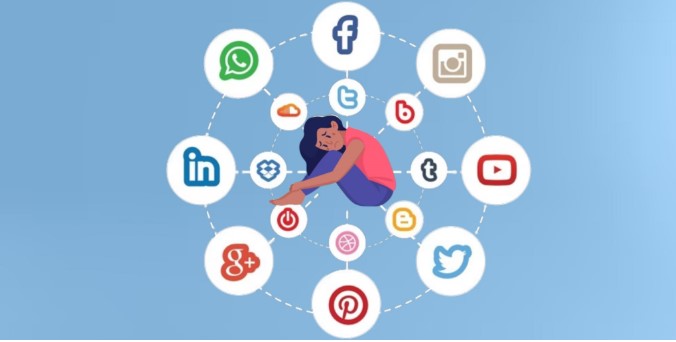
Social Media and Anxiety
The frequent need to check notifications, likes, and messages creates a cycle of dependency that can increase anxiety. The phenomenon known as “Fear of Missing Out” (FOMO) contributes to this stress, causing users to feel anxious about being left out or not measuring up to others.
Social Media and Depression
Excessive use of social media has been linked to symptoms of depression. Constant exposure to idealized versions of other people’s lives can make users feel their own lives are lacking. This emotional disconnect may lead to persistent sadness, hopelessness, and even depressive episodes.
The Role of Social Media in Body Image
Social platforms often promote unrealistic beauty standards, especially through heavily edited photos and influencer culture. This can result in body dissatisfaction, low self-worth, and in extreme cases, the development of eating disorders. The pressure to look “perfect” is especially harmful to teenagers and young adults.
Strategies for Healthy Social Media Use
To maintain mental well-being in the digital world, it’s essential to practice mindful social media habits. Setting daily time limits can help control usage. Curating your feed to include positive, inspiring, and educational content can uplift mood and reduce negative comparisons. Taking frequent digital detoxes—days or even just hours away from social media—allows your mind to reset.
The Importance of Digital Literacy
Digital literacy plays a crucial role in building resilience online. Understanding how algorithms, content curation, and targeted advertising work can help users make smarter choices. Recognizing fake news, manipulated images, and toxic content is part of responsible online behavior.
The Role of Parents and Educators
Parents and educators must guide young users through the complexities of the online world. Open conversations about social media use, emotional well-being, and peer pressure are essential. Teaching children how to critically evaluate what they see online helps them develop a healthy perspective.
Seeking Professional Help
When social media use begins to significantly affect mental health, it’s important to seek professional help. Therapists and counselors can offer coping strategies to manage stress and anxiety tied to online behavior. Early intervention can prevent long-term psychological issues and promote emotional stability.
In conclusion, social media is a powerful tool that can either support or harm our mental well-being. By staying aware of its effects and adopting healthy habits, we can use these platforms in a way that benefits our mental health rather than damages it.
Leave a Reply