
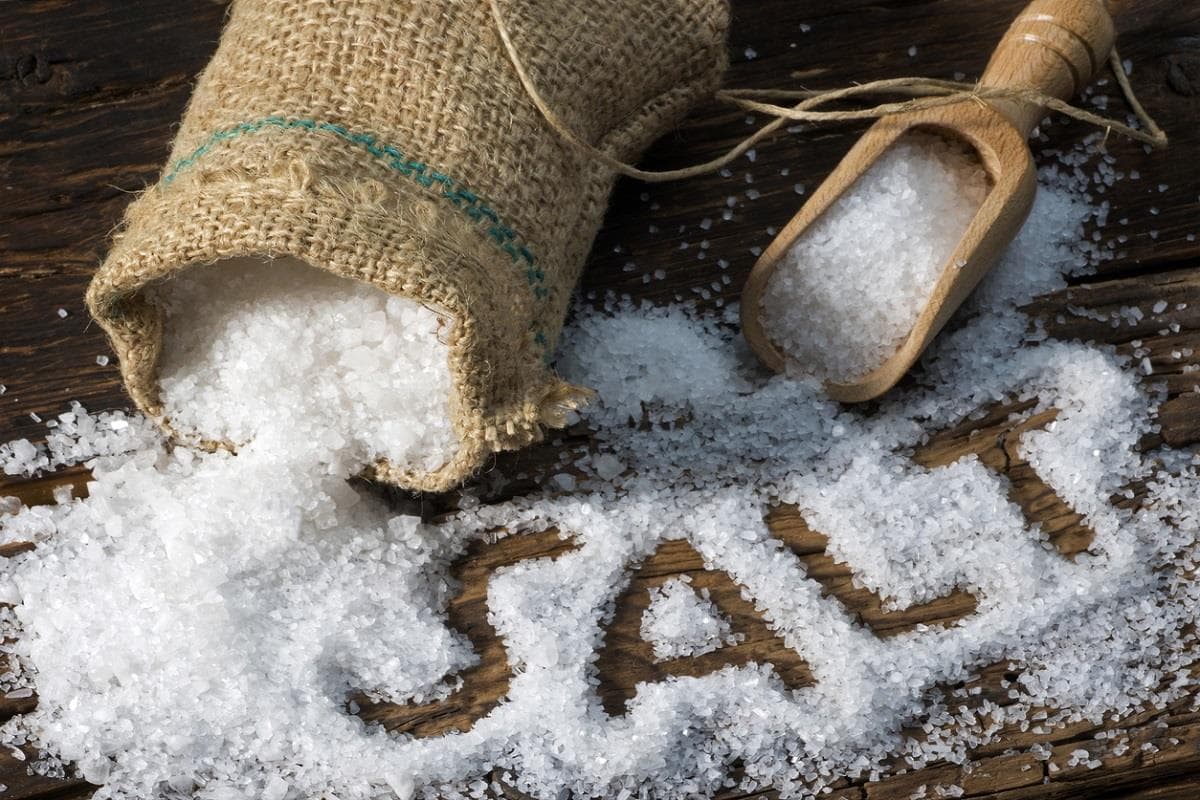
India is currently grappling with a silent but dangerous health issue—excessive salt consumption, warns the Indian Council of Medical Research – National Institute of Epidemiology (ICMR-NIE). In response, the institute has launched a Community-led Salt Reduction initiative to tackle the rising health risks linked to high sodium intake.
According to World Health Organization (WHO) guidelines, daily salt consumption should not exceed 5 grams per person. However, research by ICMR-NIE shows that Indians are consuming significantly more 9.2 grams per day in urban areas and 5.6 grams in rural regions.
“This high intake of sodium is a major contributor to hypertension, strokes, heart disease, and kidney problems,” said Dr. Sharan Murali, Principal Investigator of the ICMR-NIE study. He emphasized that reducing salt in the diet should now be a national health priority.
Promoting Low-Sodium Salt as a Solution
One effective strategy under consideration is promoting the use of low-sodium salt substitutes (LSS)—products where part of the sodium chloride is replaced with potassium or magnesium salts. These substitutes can help lower blood pressure and improve cardiovascular health, especially for those living with hypertension.
“Just by switching to low-sodium salt, individuals could see an average blood pressure drop of 7/4 mmHg—a small dietary change with a potentially big health benefit,” Dr. Murali noted.
Pilot Project in Punjab and Telangana
To test the effectiveness of this approach, ICMR-NIE has rolled out a three-year pilot project in Punjab and Telangana. The goal is to assess how structured salt reduction counselling by health workers at Health and Wellness Centres (HWCs) can influence sodium intake and blood pressure levels among patients with hypertension.
Currently in its first year, the project is focused on baseline data collection and fieldwork planning. “Rather than simply distributing ready-made health messages, we aim to co-develop educational materials with frontline health workers—listening to their insights and tailoring interventions that are practical and relevant,” said Dr. Murali.
Low Awareness, Limited Access
To evaluate public access to low-sodium salt, a market survey was conducted across 300 retail outlets in Chennai. Findings revealed that LSS was available in only 28% of stores—with 52% availability in supermarkets but just 4% in small local shops.
The survey also highlighted a price barrier: LSS costs around ₹5.6 per 100g, more than double the price of regular iodised salt, which is ₹2.7 per 100g. “The lack of demand and awareness seems to be limiting both availability and affordability,” Dr. Murali said.
Sparking Change: #PinchForAChange Campaign
To raise public awareness, ICMR-NIE recently launched the #PinchForAChange campaign on social media platforms like Twitter and LinkedIn. Using engaging visuals and simple messages, the campaign educates people about the hidden salt in everyday foods and encourages the use of healthier alternatives.
“This campaign is about more than just salt—it’s about empowering people to make healthier lifestyle choices,” said Dr. Murali. “If this model proves effective, it could be integrated into India’s national health system, improving dietary habits and helping reduce the burden of hypertension-related diseases.”
A Healthier Future, One Pinch at a Time
As the initiative progresses, ICMR-NIE hopes to bridge the gap between health knowledge and daily practice, helping millions make heart-healthy choices. “This is about more than lowering salt—it’s about restoring balance in our diets, our systems, and ultimately, our lives,” Dr. Murali concluded.
Leave a Reply