
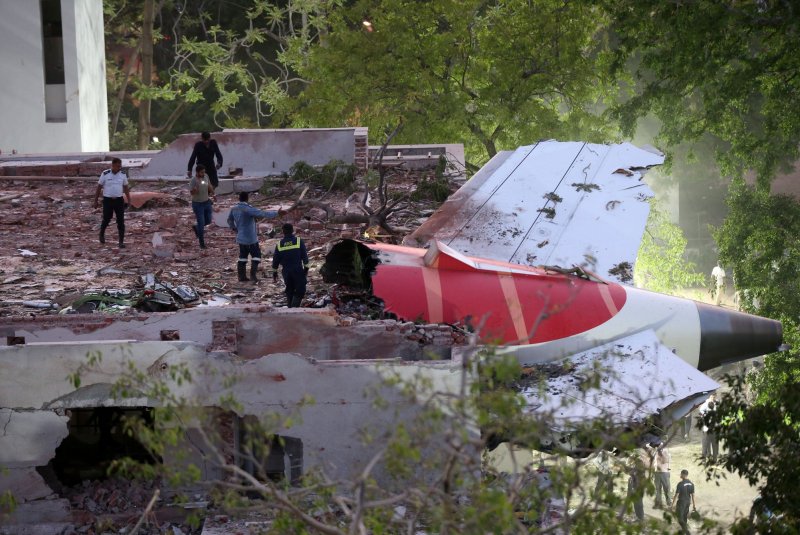
A week after the AI-171 crash on June 12, three Air India training pilots tried to recreate possible scenarios in Mumbai that led to the accident, which killed 260 people.
The pilots worked to simulate electrical failures that might cause both engines to fail, preventing the aircraft from climbing after takeoff.
They were not successful.
Investigators, who have already retrieved data from the jetliner’s black boxes (flight data and cockpit voice recorders), will also look into the fuel switch positions on the 787 and compare this information with any wreckage of the fuel switches that may have been discovered. This is vital to determine if the pilots accidentally turned off any engines during a critical flight phase – either during the takeoff run or just after the aircraft took off from Ahmedabad.
To ensure their simulations were accurate, the pilots used the exact trim sheet data from AI-171. A trim sheet is a document in aviation that calculates and records an aircraft’s weight and balance, ensuring the center of gravity is safe for takeoff, flight, and landing.
The trainer pilots also simulated a single engine failure, kept the aircraft’s undercarriage down, and fully retracted the 787’s flaps.
This setup, which is deemed unsafe and improper for regular takeoffs, was intended to mimic an underpowered jetliner taking off with its bulky undercarriage still deployed. Normally, the undercarriage is stowed in the fuselage shortly after takeoff to make the jetliner more aerodynamic and allow for efficient climbing.
Leave a Reply